

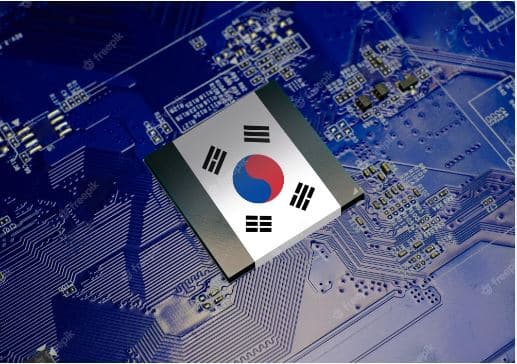
South Korea is set to unveil one of its largest industrial investment packages yet, with reports pointing to as much as 1 quadrillion won, or about US$650 billion, in spending tied to semiconductors, artificial intelligence and robotics. The announcement is expected to come from President Lee Jae Myung on Monday, as the government seeks to strengthen the country’s long-term growth model and deepen its tech leadership.
The package is being described as a national mega-project rather than a single standalone initiative. It is expected to combine public policy support with large private-sector commitments, especially from Samsung Electronics and SK Group. Reported plans include a new semiconductor cluster in the southwest, AI infrastructure such as data centers, and investments in physical AI and robotics. Officials are also expected to outline measures for power and water supply, which are critical for chip fabrication and data-center operations.
The scale of the proposal has drawn attention because it would rank among the most ambitious industrial investment drives in South Korea’s history. Reuters reported that the overall figure could exceed 1,000 trillion won, while other reports placed the total near US$648 billion to US$650 billion depending on exchange rates and sourcing. Samsung alone is widely reported to be preparing a huge domestic investment commitment over the next decade, including chip plants, AI infrastructure and regional semiconductor development.
The government is also using the plan to advance regional balance. Several of the proposed projects are expected to be located outside the Seoul metropolitan area, including in the southwest, Chungcheong and Yeongnam regions. That geographic spread suggests the administration wants the announcement to serve both as an industrial strategy and a regional development policy.
For South Korea, the timing is significant. The country remains one of the world’s most important semiconductor exporters, but it faces growing competition from the United States, Taiwan and China. By tying chips, AI and robotics into one investment agenda, Seoul appears to be betting that next-generation manufacturing will determine its next phase of growth.
At this stage, the story is a major developing announcement rather than a confirmed exclusive. Multiple outlets have reported the same core details, but the event itself may deliver the first official breakdown of the full package.