


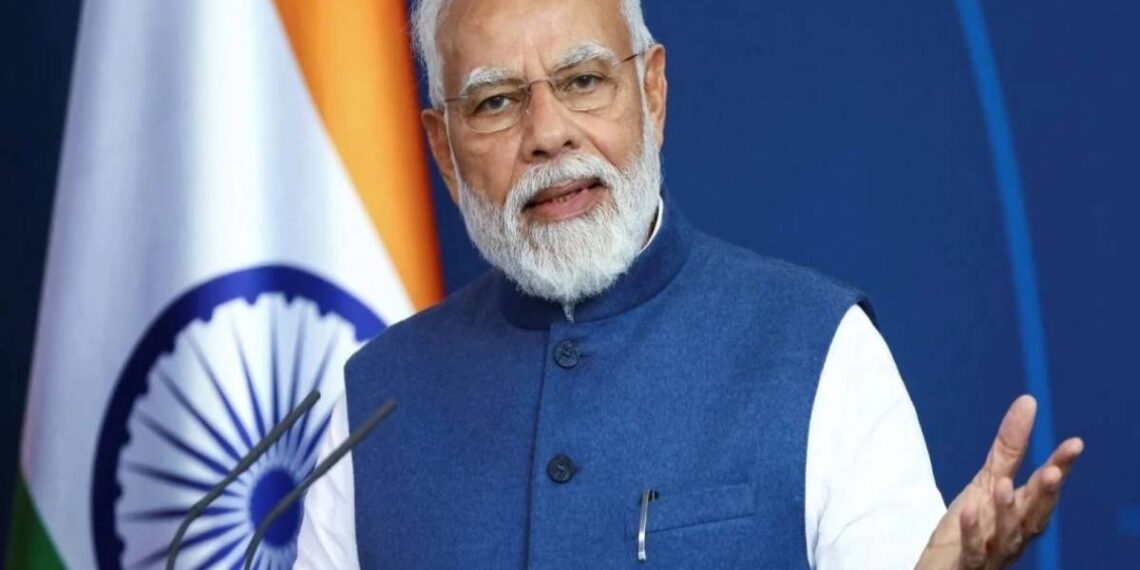
India and Malaysia have moved to strengthen cooperation in the semiconductor sector following the signing of key agreements during Prime Minister Narendra Modi’s visit to Malaysia on February 8, 2026. The initiatives signal a shared intent to integrate India’s growing strengths in chip design and research with Malaysia’s well-established manufacturing, assembly, and testing capabilities, at a time when global semiconductor supply chains are undergoing significant realignment.
The agreements include cooperation in semiconductor manufacturing, alongside digital payment linkages between NPCI International and Malaysia’s PayNet to facilitate smoother remittances and cross-border transactions. Existing institutional collaborations were also reinforced, notably between IIT-Madras Global and Malaysia’s Advanced Semiconductor Academy, and between the Indian Electronics and Semiconductor Association (IESA) and the Malaysia Semiconductor Industry Association (MSIA).
Malaysia is widely regarded as a global semiconductor powerhouse, accounting for about 13 per cent of worldwide semiconductor trade and ranking among the top exporters of backend services such as assembly, testing, and packaging. India, while already a major hub for semiconductor design talent, is seeking to expand its footprint in commercial chip manufacturing as part of its broader technology and industrial strategy.
The semiconductor cooperation forms part of a wider elevation of bilateral ties under the Comprehensive Strategic Partnership framework. During the visit, both leaders announced enhanced cooperation in defence, including the sale of Dornier aircraft and maintenance support for Sukhoi platforms. Financial and digital collaboration was advanced through the Malaysia-India Digital Council, while trade settlements in local currencies—the Indian rupee and Malaysian ringgit—were also highlighted as a step towards easing business transactions. The two sides reiterated their shared opposition to cross-border terrorism and announced plans to establish an Indian Consulate General and a Thiruvalluvar Centre in Kuala Lumpur. Bilateral trade between the two countries currently stands at around $20 billion.
For India, the semiconductor agreements offer a pathway to accelerate domestic manufacturing ambitions under the India Semiconductor Mission (ISM). The mission, backed by incentives of nearly $10 billion, aims to expand India’s semiconductor market to an estimated $109 billion by 2030. Access to Malaysia’s advanced packaging and testing infrastructure is expected to help Indian companies shorten learning curves, particularly in mature-node manufacturing and backend operations, while supporting job creation and reducing reliance on imports.
Malaysia, meanwhile, stands to gain from India’s expanding capabilities in semiconductor research, development, and integrated circuit design. By collaborating with Indian institutions and companies, Malaysia aims to move further up the value chain, complementing its strong export base with higher-value innovation and advanced design-led manufacturing.
A key development under discussion is Tata Electronics’ reported interest in acquiring or partnering with semiconductor facilities in Malaysia. Potential targets include DNeX’s SilTerra, Globetronics Technology, and X-Fab, covering fabrication, mixed-signal foundry, and OSAT capabilities. Led by KC Ang, former chief executive of SilTerra, these efforts are intended to bring operational expertise and process know-how to Tata’s large domestic projects, including its ₹91,000 crore fabrication plant in Dholera and a ₹27,000 crore OSAT facility in Assam.
Beyond acquisitions, Indian and Malaysian firms are exploring joint ventures in manufacturing, testing, and research areas such as silicon photonics and bio-MEMS. These initiatives align with the objectives of India Semiconductor Mission 2.0, which places increased emphasis on equipment manufacturing, semiconductor intellectual property, and workforce development, supported by a total incentive outlay of Rs 76,000 crore.
Collectively, the agreements reflect a strategic effort by both countries to strengthen supply chain resilience amid shifting global technology dynamics. By combining India’s design innovation with Malaysia’s manufacturing scale, the partnership is expected to support rising demand for chips driven by artificial intelligence, automotive electronics, and industrial applications, while contributing to sustained economic growth on both sides.