

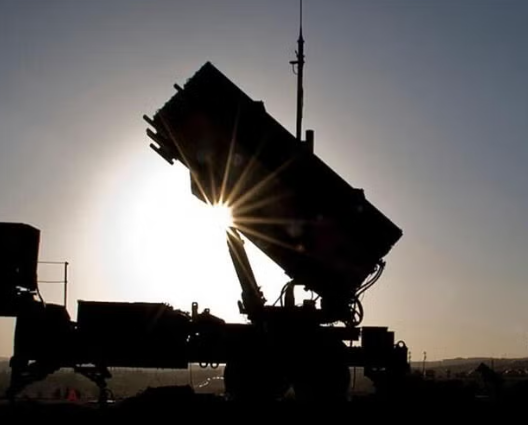
L3Harris Technologies (NYSE: LHX) has signed a long-term framework agreement with the U.S. Department of War (DoW) and Lockheed Martin (NYSE: LMT) to significantly expand production of propulsion systems for the PAC-3 Missile Segment Enhancement (MSE) interceptor, supporting increased demand for critical missile defence capabilities.
The seven-year agreement, which leverages the U.S. government’s multi-year procurement authorities, is L3Harris’ largest PAC-3 propulsion agreement to date. The company said the framework will enable it to nearly triple production of propulsion products supporting the PAC-3 MSE interceptor. The contract is expected to be finalised later this year.
The agreement covers production of the interceptor’s advanced two-pulse solid rocket motor, Attitude Control Motors (ACMs) and the Lethality Enhancer, an explosive component designed to increase the missile’s effective kill radius against aerial threats, including cruise missiles.
L3Harris said the agreement provides long-term production visibility, allowing the company to expand manufacturing capacity and strengthen its supply chain to meet future demand from the DoW and allied nations.
“This critical, long-term agreement will allow us to continue to move at unprecedented speed and produce PAC-3 propulsion at rates never before seen,” said Ken Bedingfield, President of Missile Solutions at L3Harris.
He added that the company is preparing its production facilities and supplier network while adding manufacturing capacity to support future defence requirements.
The production expansion will be supported by L3Harris’ PAC-3 MSE motor manufacturing facility in Camden, Arkansas, where dedicated processing bays and automated digital X-ray inspection systems have been introduced to improve throughput and reduce production cycle times.
The agreement forms part of L3Harris’ broader effort to increase U.S. missile production capacity. The company said it is investing billions of dollars to expand solid rocket motor manufacturing, including the construction of approximately 60 facilities and the addition or upgrade of nearly 1 million square feet of manufacturing and office space across its production sites in Alabama, Virginia and Arkansas.
The expanded production capacity is expected to support growing domestic and allied demand for advanced missile defence systems as governments continue investing in strengthening defence industrial capabilities and replenishing strategic munitions inventories.