

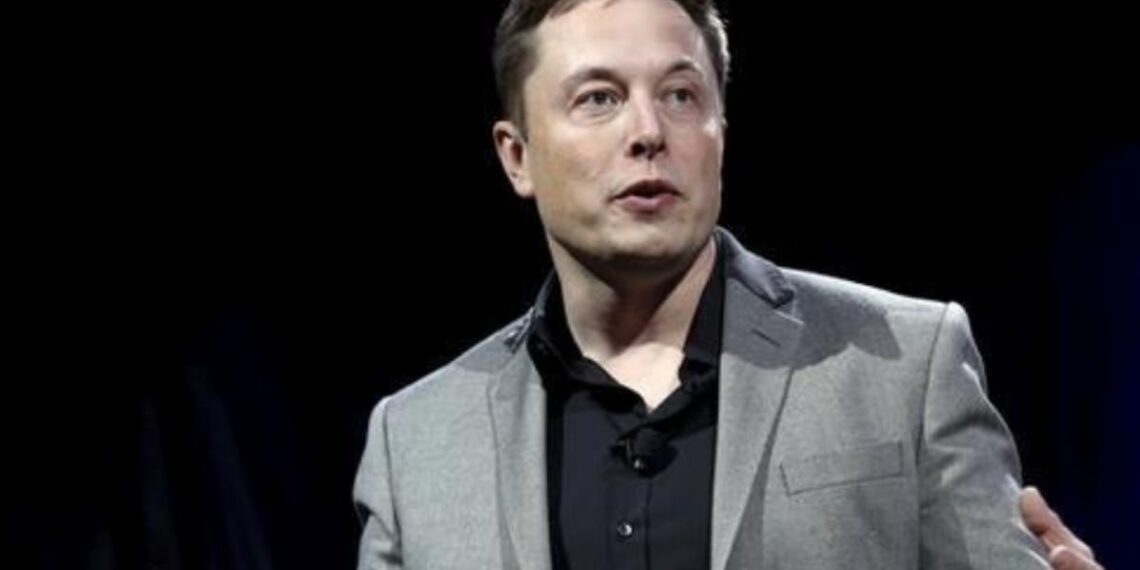
Elon Musk has unveiled TERAFAB, a proposed $20–25 billion semiconductor fabrication facility, marking one of the most ambitious infrastructure projects in the global chip industry. Announced on March 21, 2026, at the Seaholm Power Plant, the initiative is a joint venture between Tesla, SpaceX, and xAI.
Positioned as a vertically integrated chip manufacturing ecosystem, TERAFAB will consolidate design, lithography, fabrication, packaging, and testing within a single facility. Musk described the project as “the most epic chip building exercise in history,” with an ambitious target of delivering up to one terawatt of annual computing capacity. Notably, around 80 percent of this capacity is expected to support space-based AI systems, leveraging higher solar efficiency in orbit.
The announcement comes amid growing concerns over semiconductor supply constraints. Musk referenced dependencies on major chipmakers such as TSMC, Samsung, and Micron Technology, which have been flagged as potential bottlenecks in Tesla’s earlier earnings discussions. TERAFAB is intended to mitigate these risks by enabling in-house production of advanced chips, including Tesla’s AI5 processors for autonomous vehicles and Optimus robots, as well as D3 chips designed for orbital AI constellations.
Strategically, the project aligns with Musk’s broader vision of integrating artificial intelligence with space infrastructure. TERAFAB is expected to play a key role in powering next-generation applications linked to reusable launch systems and satellite networks, complementing developments such as Starship. Musk suggested that producing and deploying AI systems in space could significantly reduce energy costs compared to terrestrial operations, supporting his long-term goal of building a “galactic civilization.”
Construction activity is already underway at Tesla’s Giga Texas North Campus, with structural completion targeted for late 2026. Initial small-batch chip production could begin within the same year, followed by scaled manufacturing in 2027. However, full operational capacity—estimated at up to one million wafer starts per month—remains a longer-term objective without a confirmed timeline.
Musk also highlighted the role of Tesla’s Optimus robots in both building and operating the facility, signaling a hybrid workforce model as the project evolves.